
Pop Art kann sowohl als Abkürzung für "popular art" (engl. popular = beliebt, volkstümlich) als auch in Bezug auf das englische Wort "pop" (zu deutsch: Knall) verstanden werden. Allgemein wird der begriffliche Ursprung des Terminus Pop Art, der 1955 durch den englischen Kunstkritiker Lawrence Alloway geprägt wurde, in der zweiten Variante vermutet.
Die Pop Art stellt eine Kunstrichtung dar, die in England und den USA in den 1950er Jahren nahezu parallel entstand und zeitweise als eine der prägendsten Stilrichtungen
der Nachkriegskunst gelten kann. Die Pop Art kann als figurative Gegenbewegung zu Informel und Action Painting gewertet werden und bezog sich in ihrer Material- und Objektästhetik auch auf die
Errungenschaften des Dadaismus.
Das "Populäre" an der Pop Art ist auf die trivialen Bildmotive zurückzuführen, die häufig Werbetafeln, Konsumgütern oder anderen Elementen des Großstadtlebens entlehnt
sind. Die Pop Art will somit das Massentaugliche zur Kunst erheben: Alltagsgegenstände werden aus ihrem Ursprungszusammenhang isoliert und dadurch fokussiert und in ihrem Bedeutungsgehalt verändert.
In diesem Zuge reflektiert die Pop Art auch den durch die Industriegesellschaft bestimmten modernen Lebensalltag des Einzelnen.
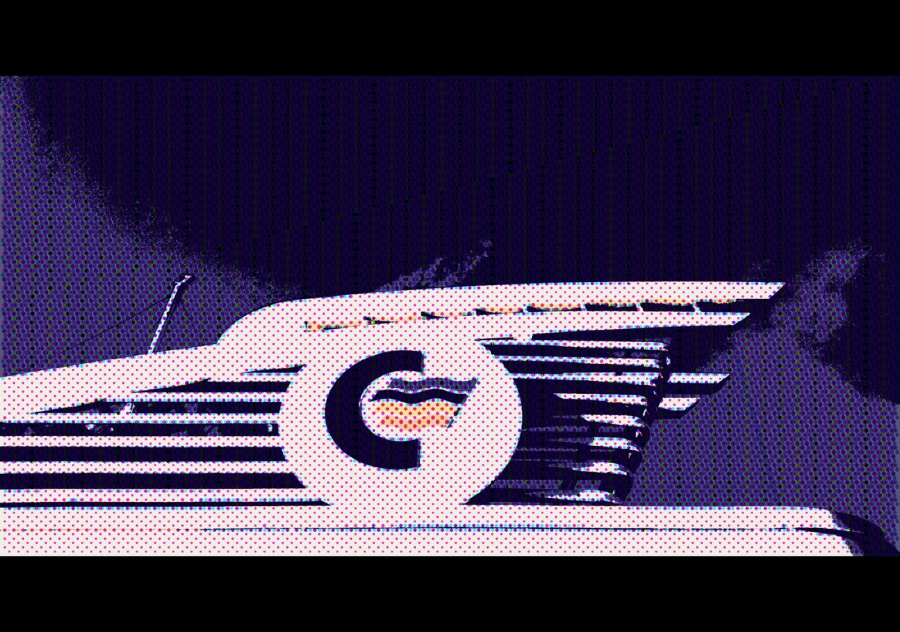
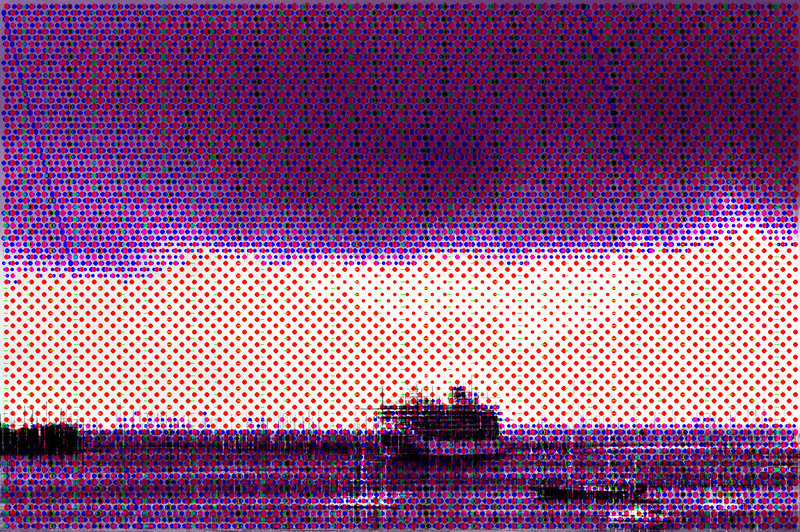
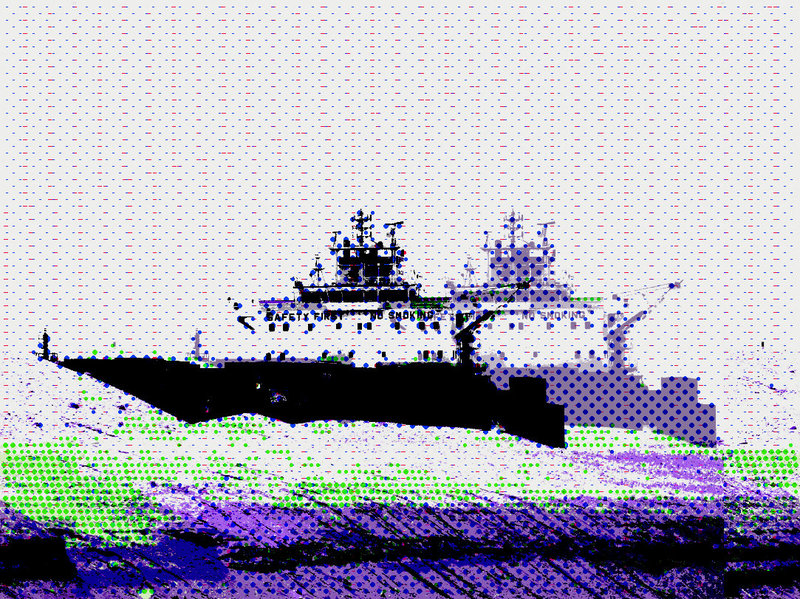
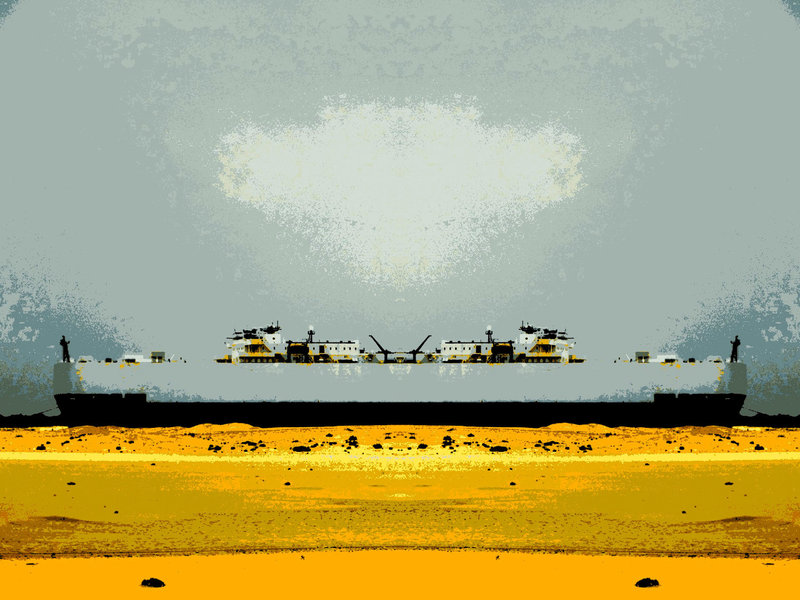
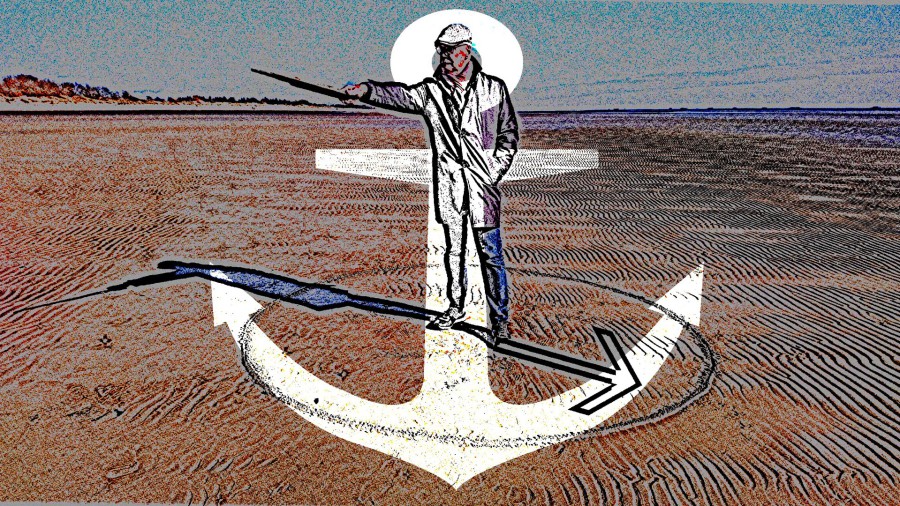
Kunst im öffentlichen Raum - auch als Public Art bezeichnet – definiert die Kunsttheorie/Geschichte konzeptuellen Arbeiten, bei denen städtischen Parks, Straßen, Plätzen oder Ufer und Küsten – also die öffentliche Umgebung - von jedermann zu erleben sind. Das führt letztendlich dazu, die Kunst nach Fragen des Geschmacks, der Schicklichkeit und des Gebrauchswerts zu beurteilen. Man fragt, ob es einem gefällt, ob es sozial verträglich ist, ob es nützt. Und Kunst im öffentlichen Raum definiert sich über einen weiteren Aspekt. Im Gegensatz zur Kunst im Museum, die noch immer für die Ewigkeit bewahrt und unter diesem Blickwinkel angeschaut wird, handelt es sich bei den meisten Beiträgen neuerer Kunst im öffentlichen Raum um Phänomene befristeter, meist kurzer Dauer.
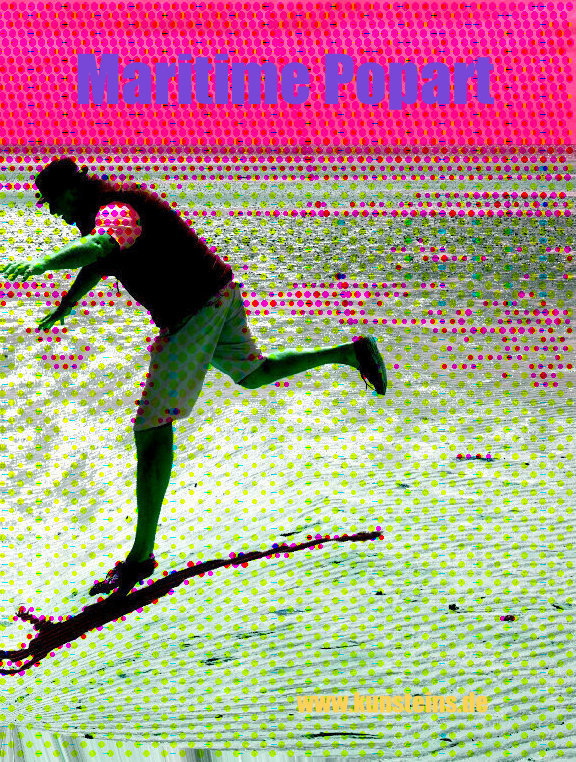
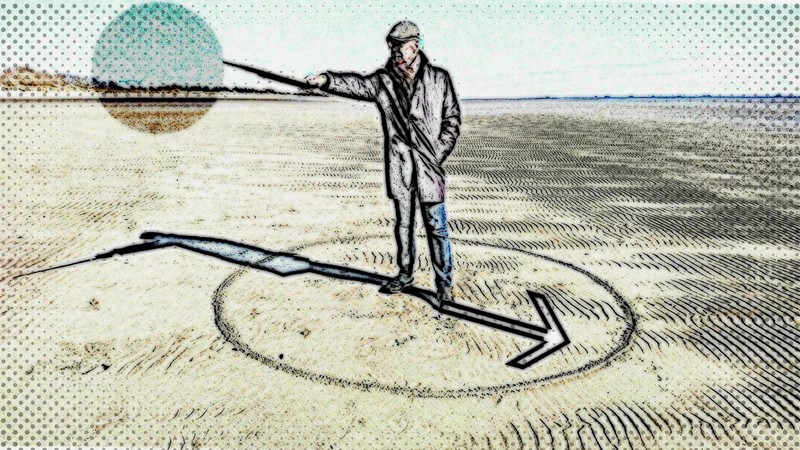
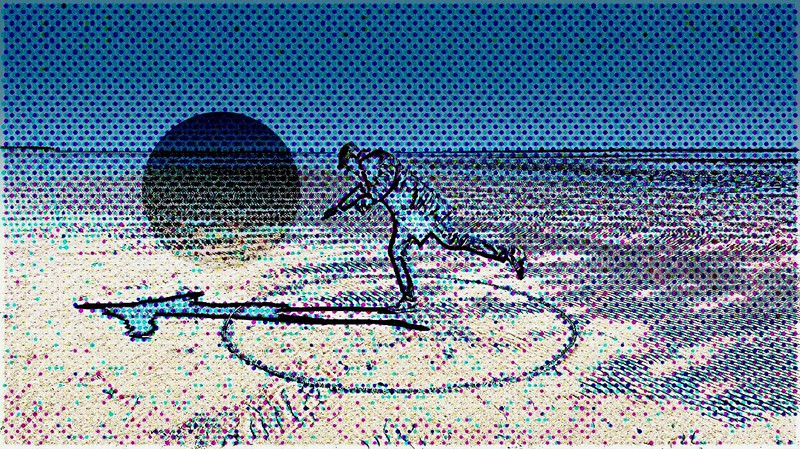
Sobald man sich an sie zu gewöhnen beginnt, werden sie entfernt. Das entspricht allerdings auch meinem Credo: Manchmal sieht man mich am Strand, im Watt und im Sand grafisch arbeiten, fotografieren und oft alles wieder verwerfen. Manchmal bin ich selbst das Objekt der Begierde, die dann erst im Atelier sichtbar wird. Kunst muss erfreuen, verwirren und manchmal auch irritieren!
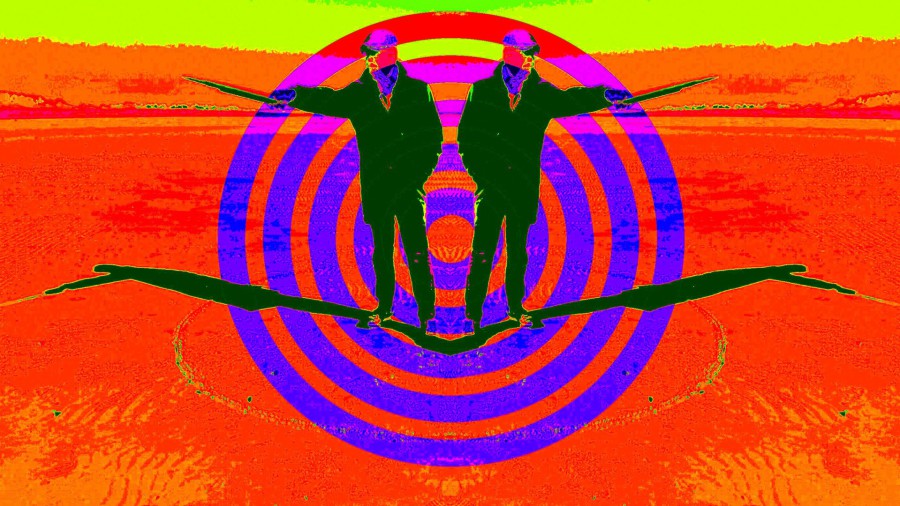
L'art dans l'espace public - également appelé art public - définit la théorie/histoire de l'art des œuvres conceptuelles dans lesquelles les parcs urbains, les rues, les
places ou les rivages et les côtes - c'est-à-dire l'environnement public - peuvent être vécus par tous. Cela conduit finalement à juger l'art sur des questions de goût, de décence et de valeur
utilitaire. On se demande si on l'aime, si elle est socialement acceptable, si elle est utile. Et l'art dans l'espace public est défini par un autre aspect. Contrairement à l'art dans un musée, qui
est toujours conservé pour l'éternité et considéré sous cet angle, la plupart des contributions de l'art nouveau dans l'espace public sont des phénomènes limités, généralement de courte durée. Dès
qu'on commence à s'y habituer, on les enlève. Mais cela correspond aussi à mon credo: Parfois, on me voit travailler graphiquement sur la plage, dans les vasières et dans le sable, prendre des photos
et souvent tout jeter. Parfois, je suis moi-même l'objet d'un désir, qui ne devient alors visible qu'en studio. L'art doit ravir, confondre et parfois irriter !
Art in public space - also known as public art - defines the art theory/history of conceptual works in which urban parks, streets, squares or shores and coasts - i.e. the public environment - can be experienced by everyone. This ultimately leads to judging art on questions of taste, decency and utility value. One asks whether one likes it, whether it is socially acceptable, whether it is useful. And art in public space is defined by another aspect. In contrast to art in a museum, which is still preserved for eternity and viewed from this perspective, most contributions of newer art in public space are phenomena of limited, usually short duration.
As soon as one begins to get used to them, they are removed. However, this also corresponds to my credo: Sometimes you see me working graphically on the beach, in the mudflats and in the sand, taking photographs and often discarding everything. Sometimes I myself am the object of desire, which only then becomes visible in the studio. Art must delight, confuse and sometimes irritate!
Translated with www.DeepL.com/Translator (free version)
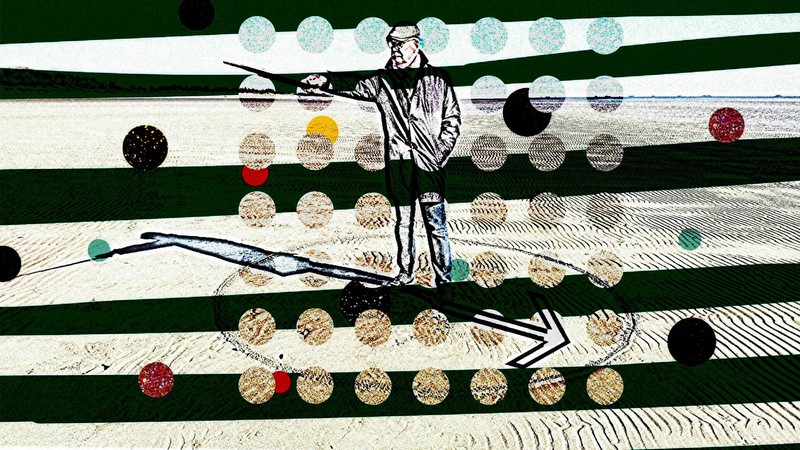

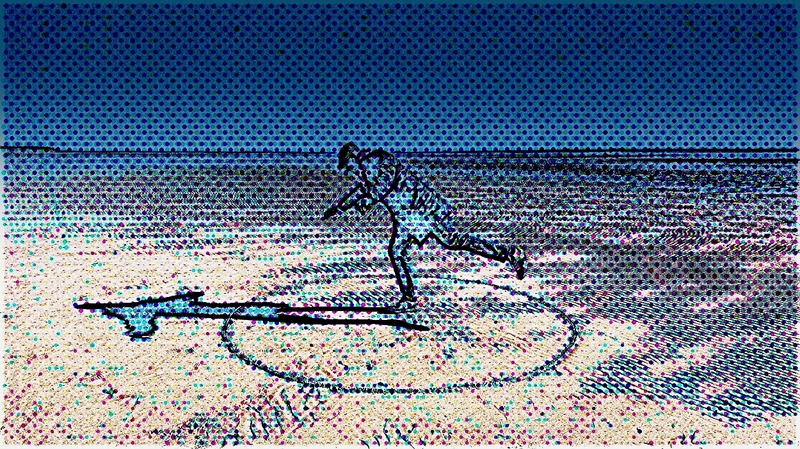
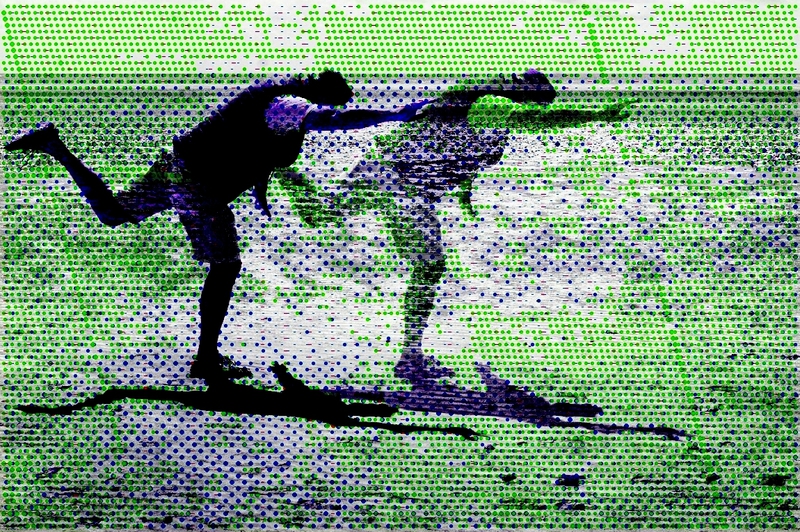
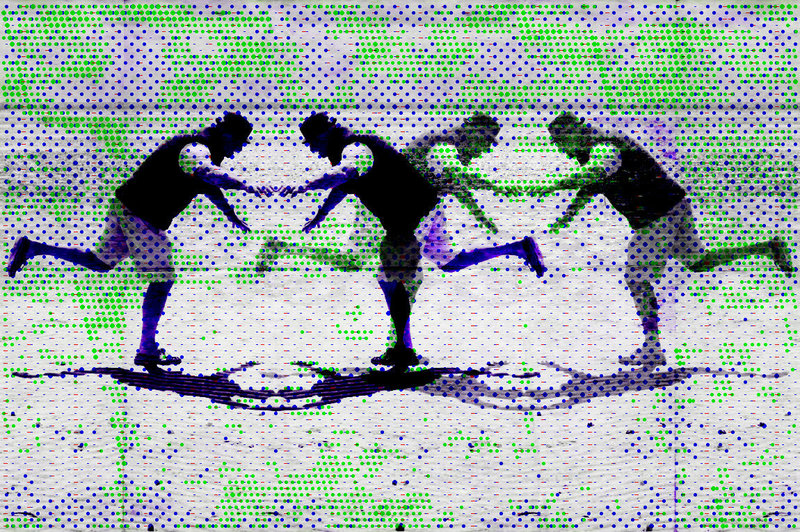
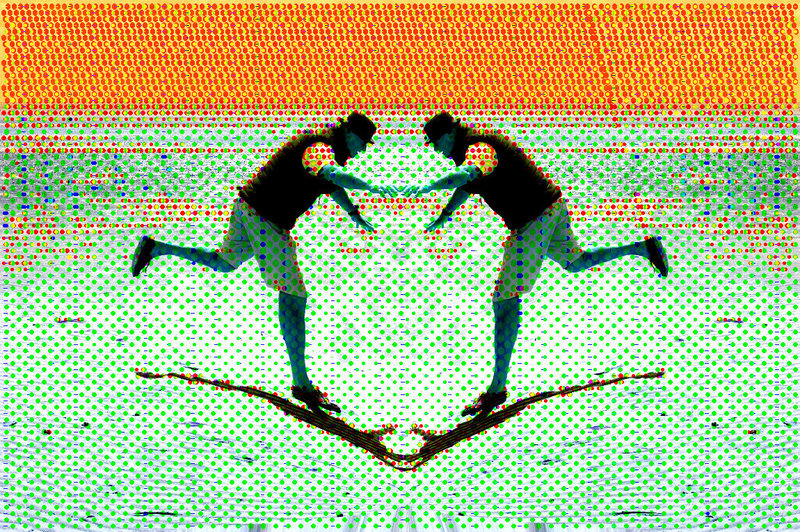

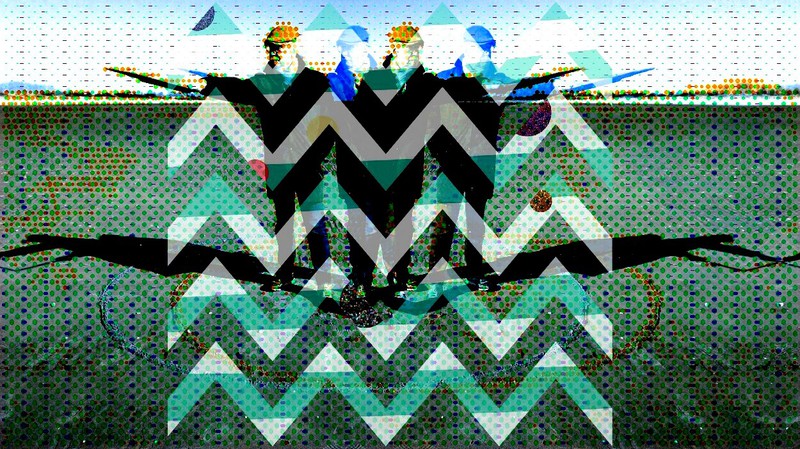
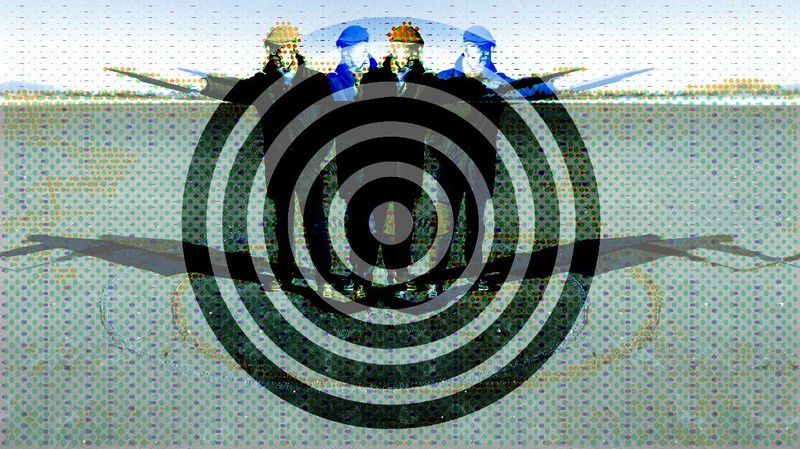
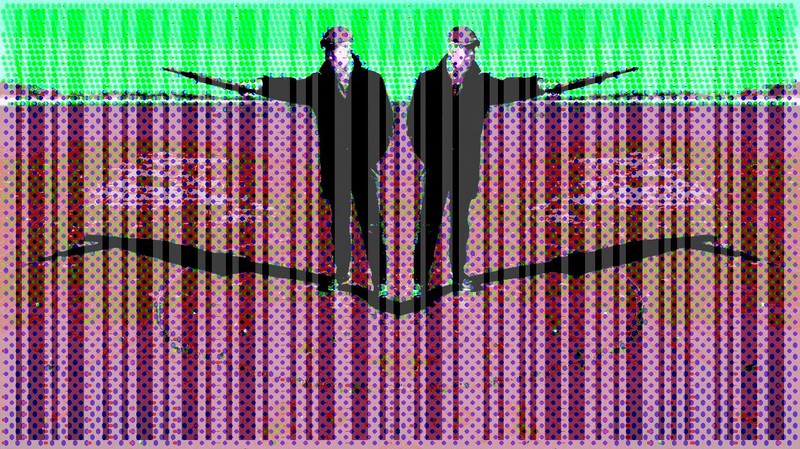
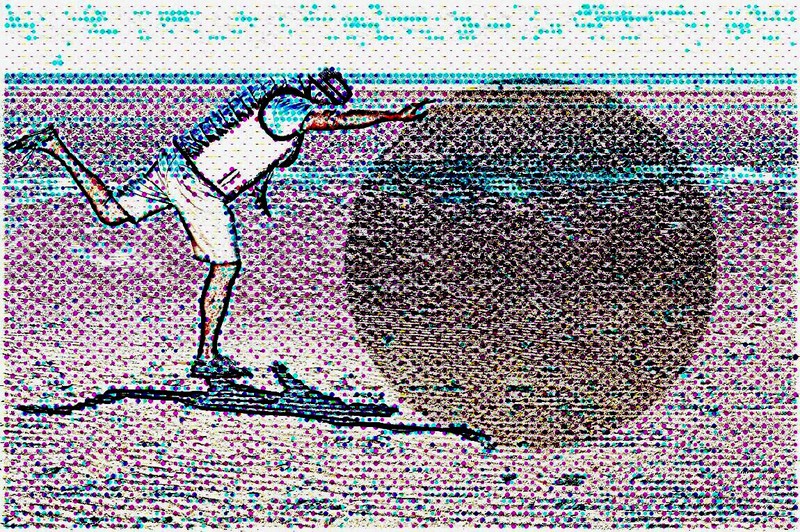
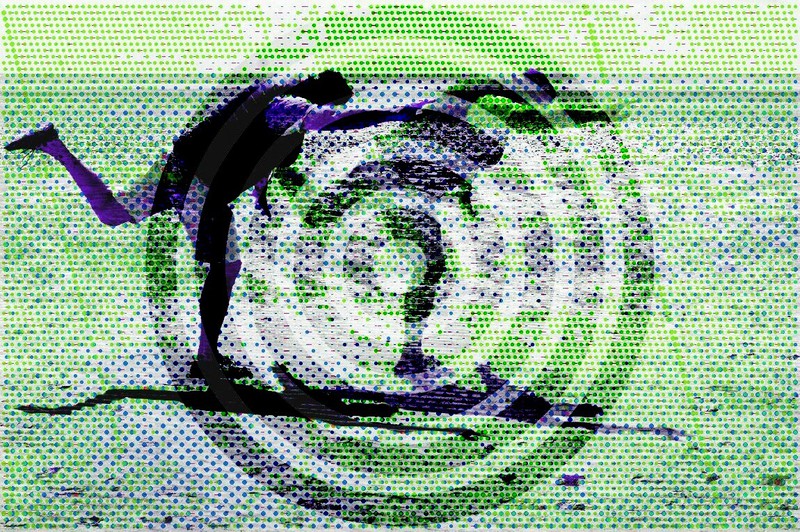

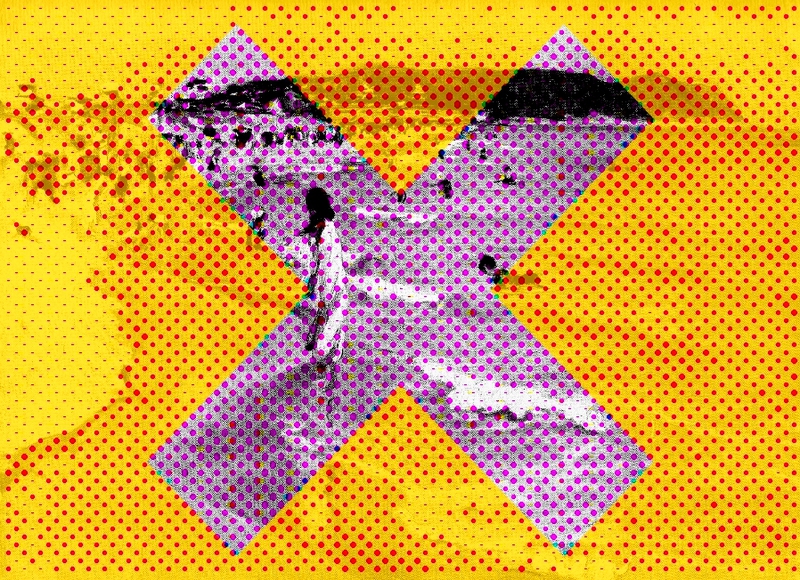
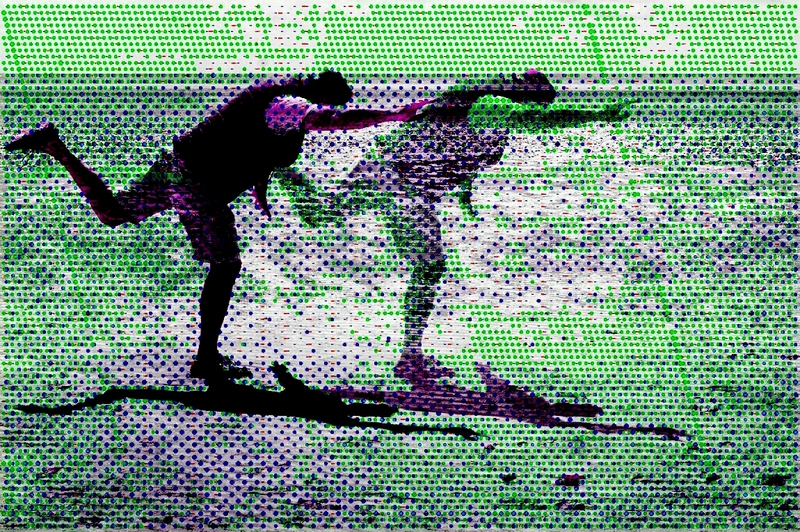
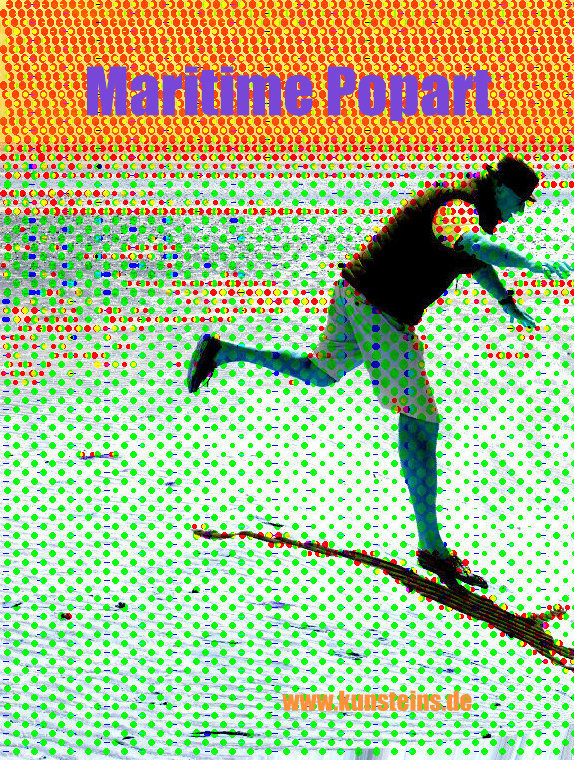
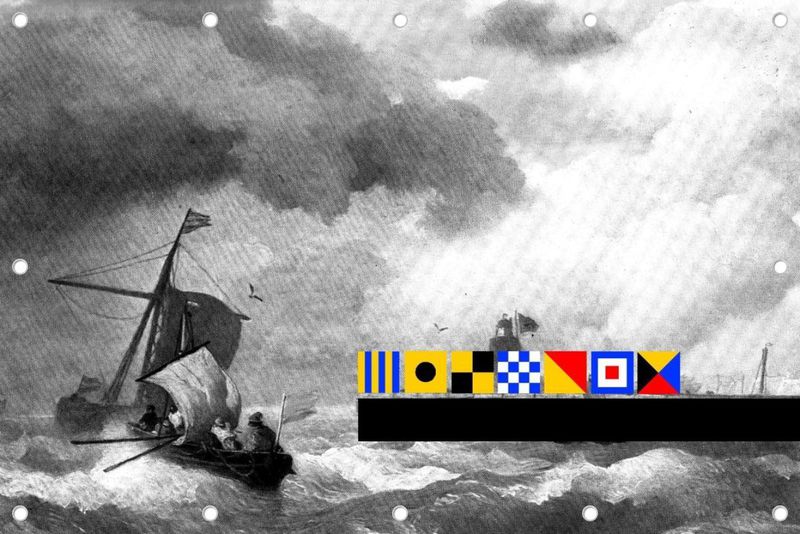
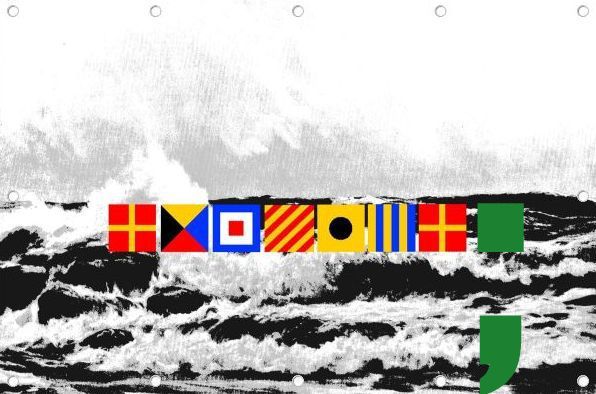
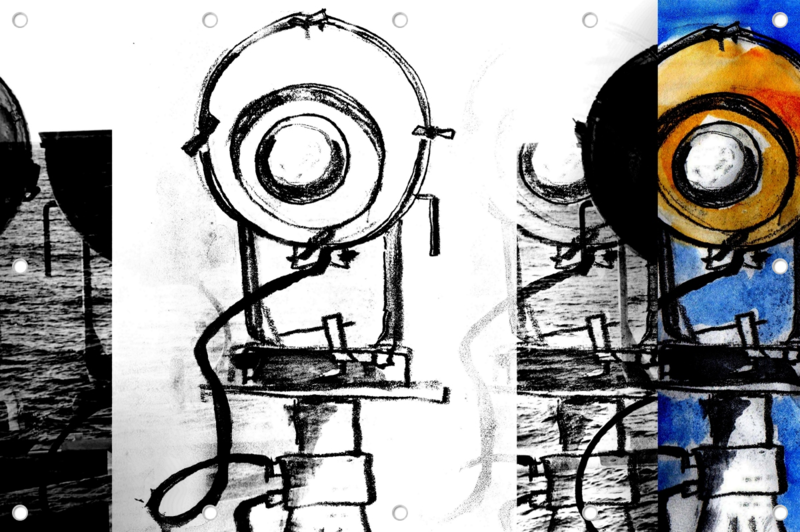
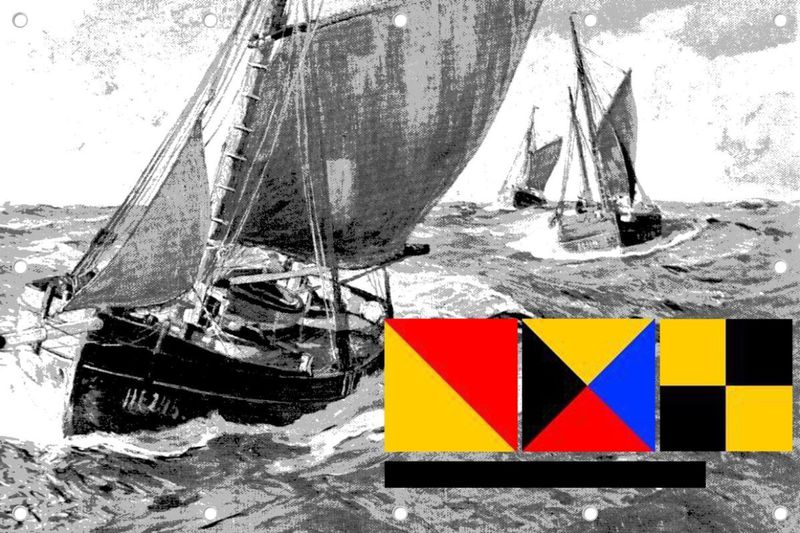
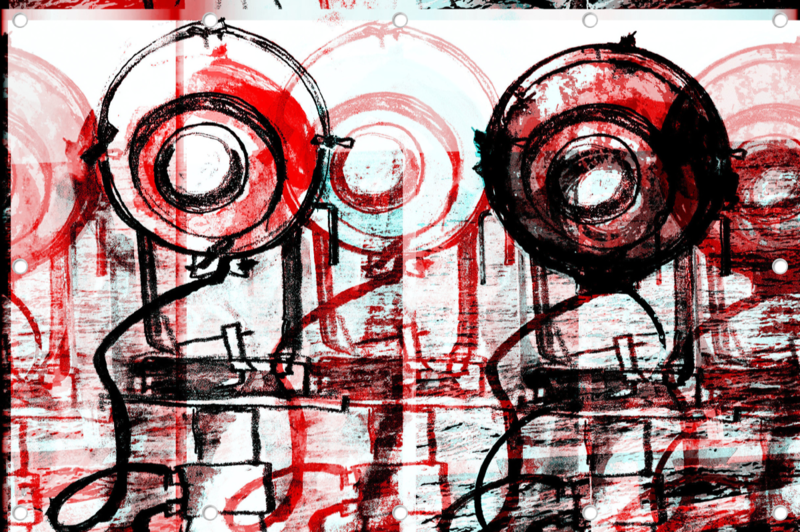
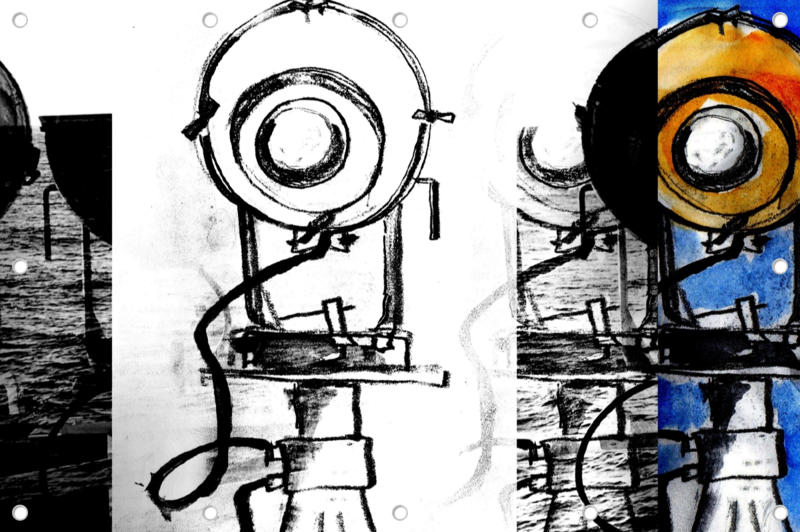
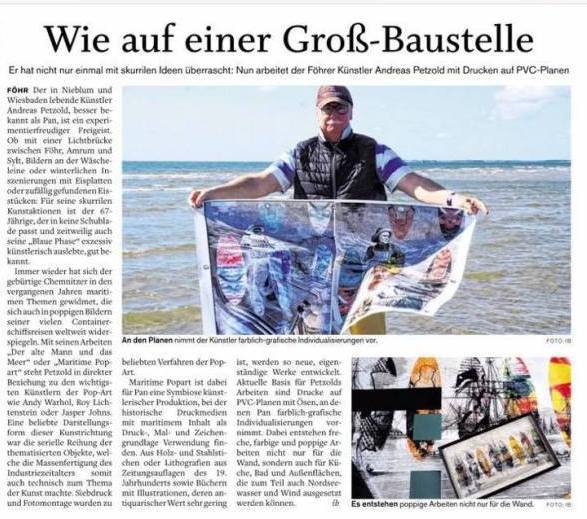
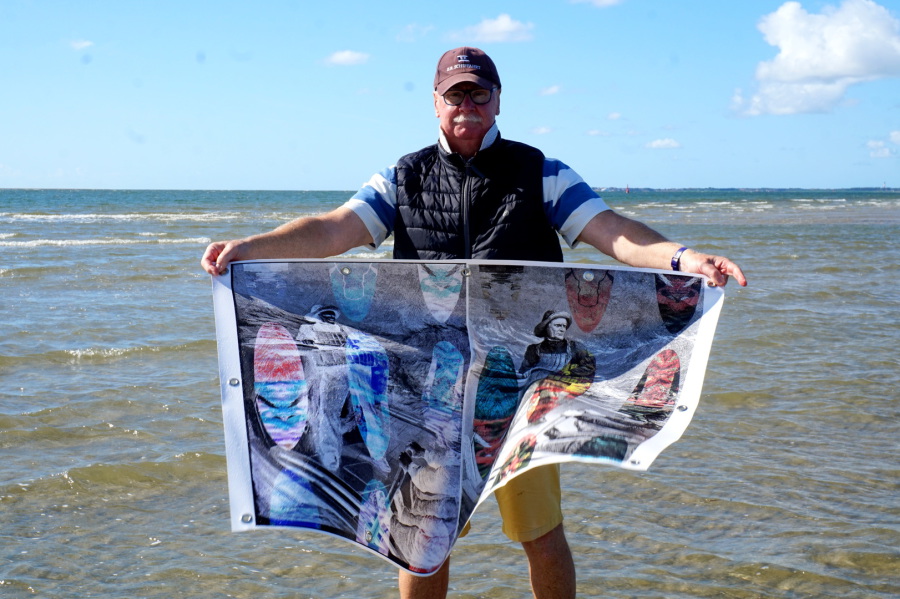
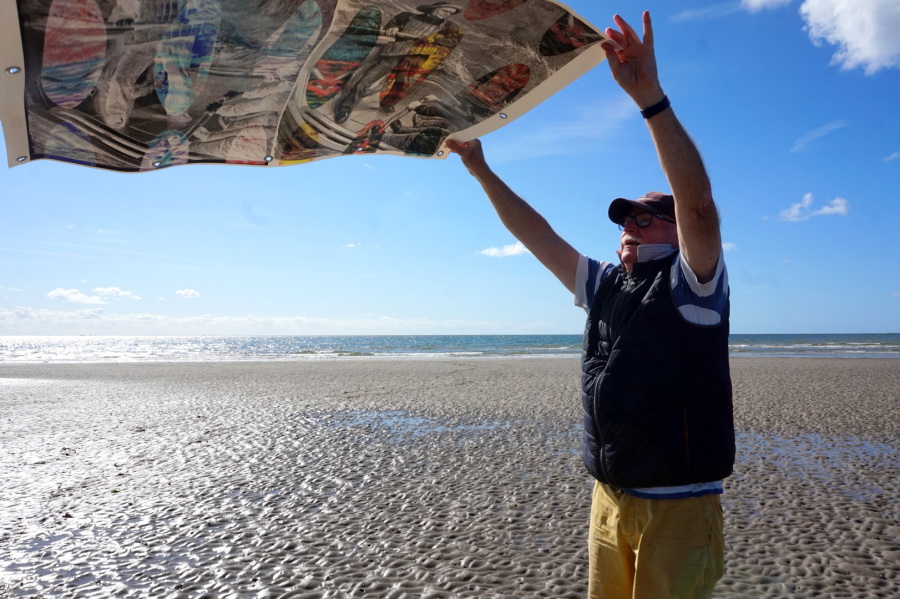
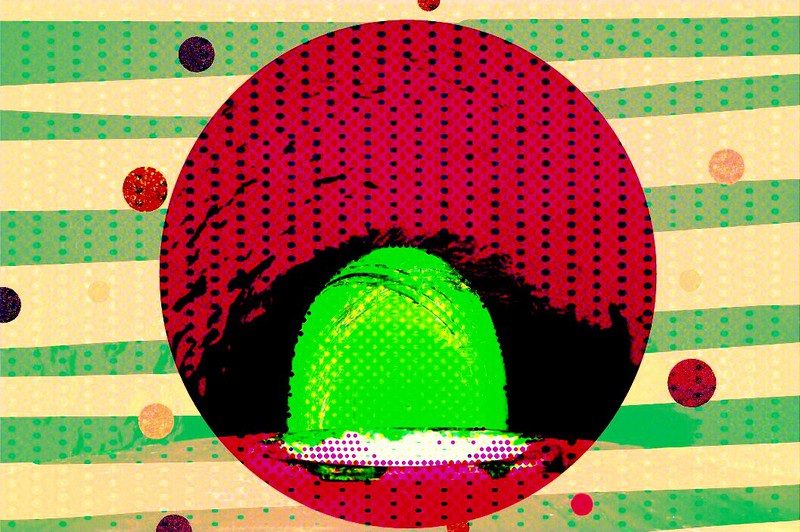
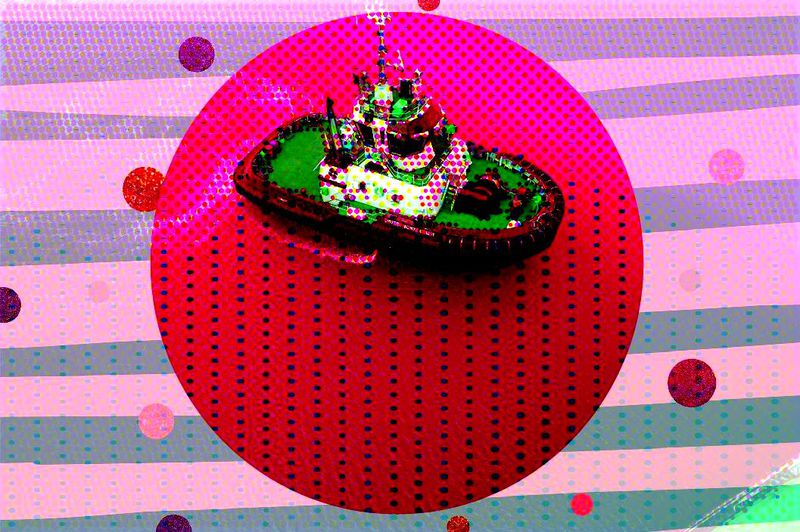
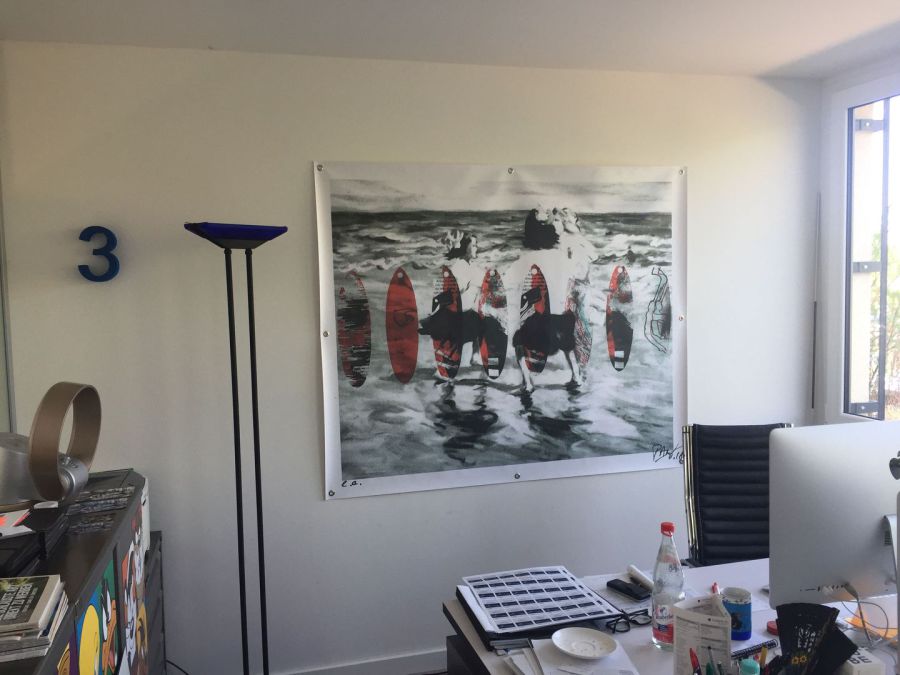
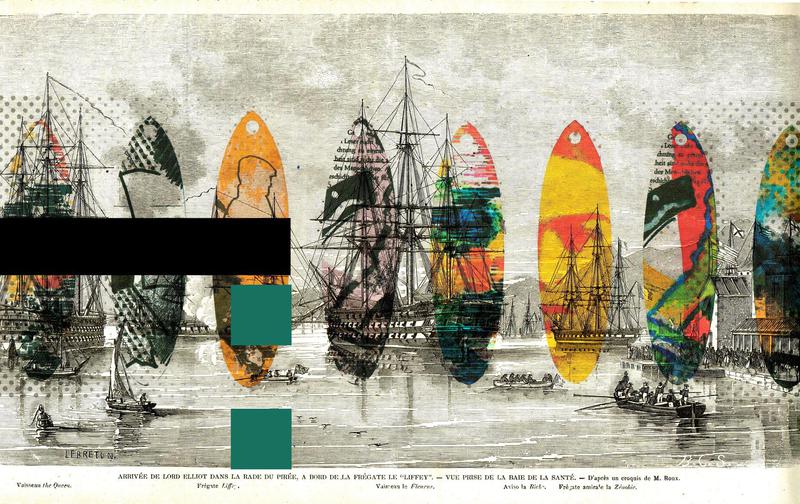
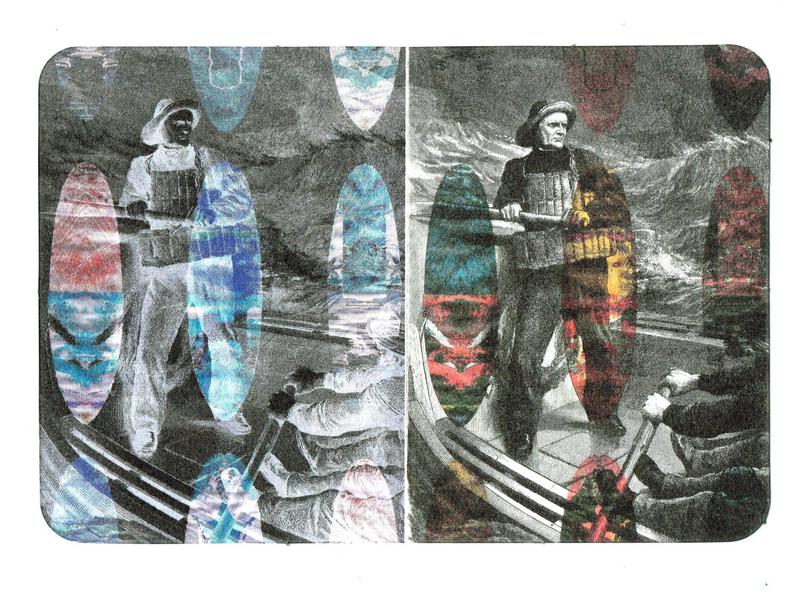
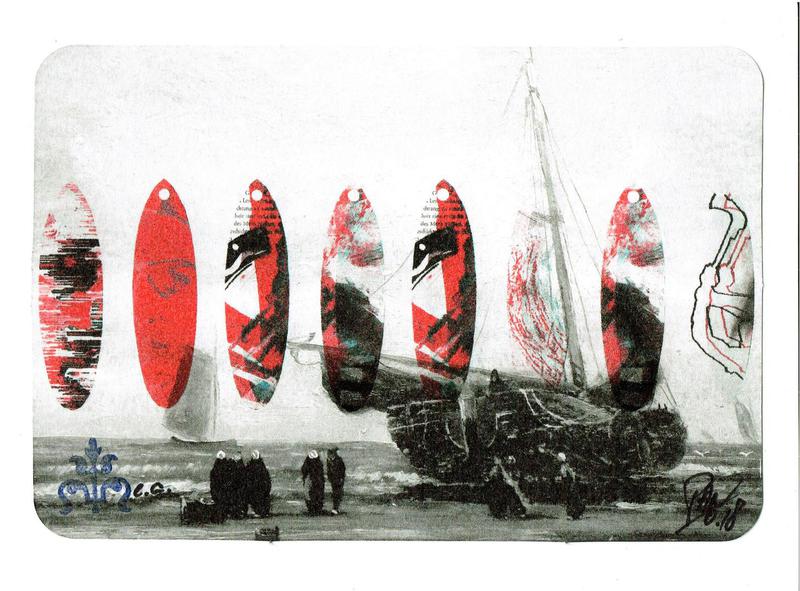
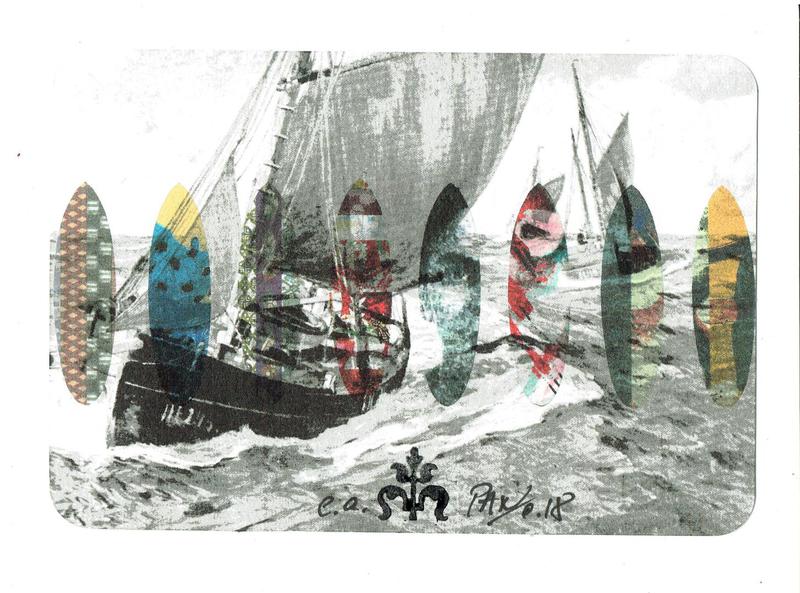
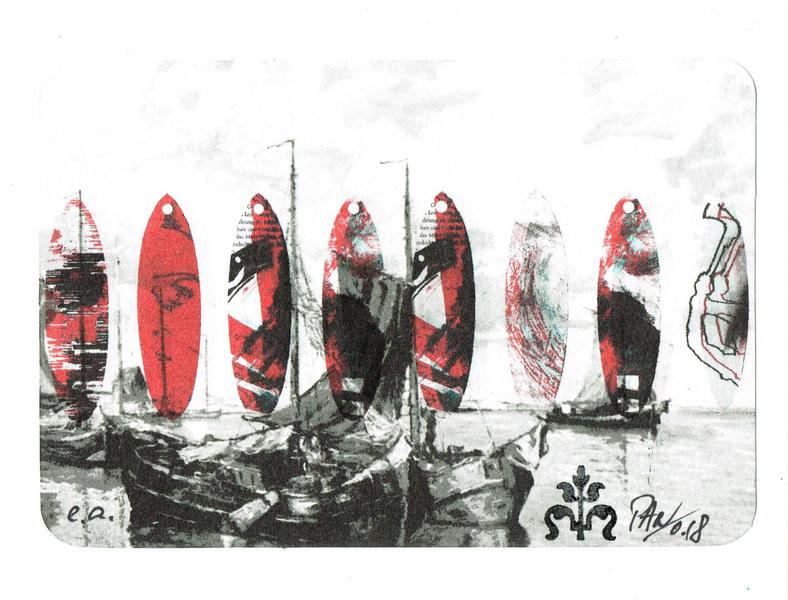
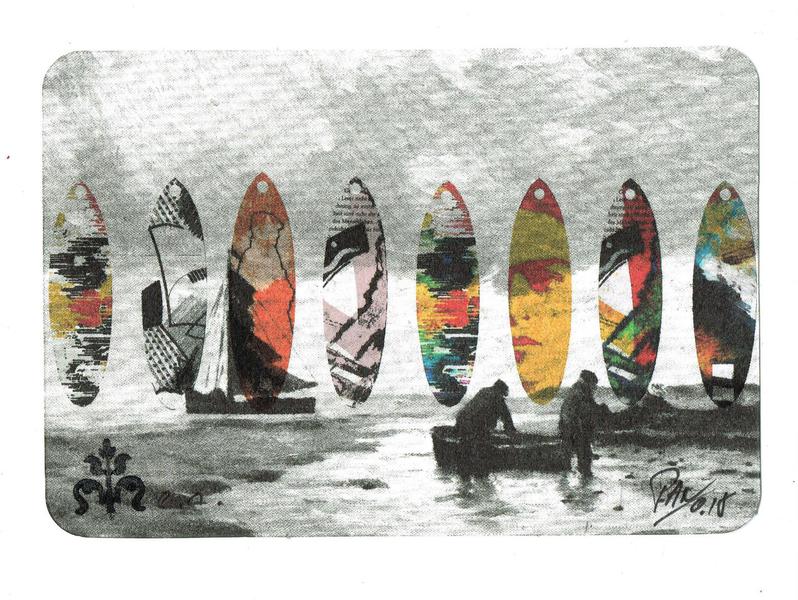
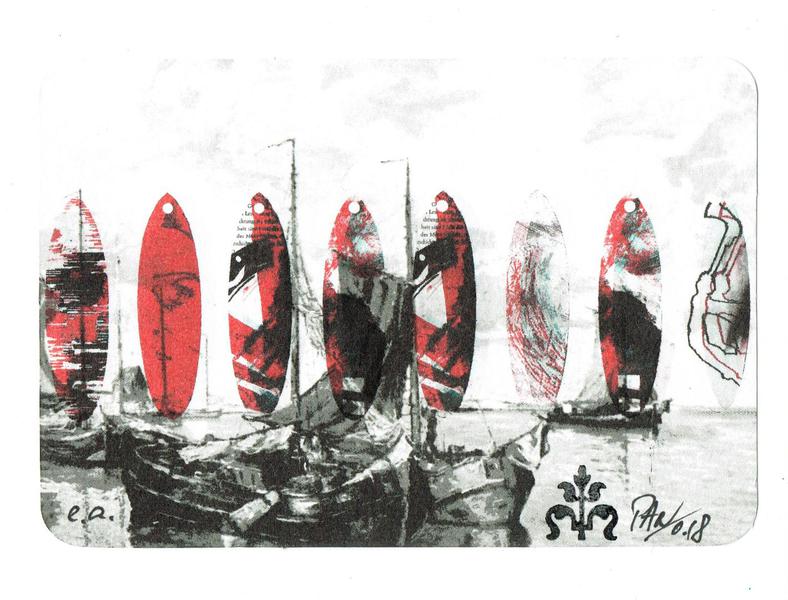
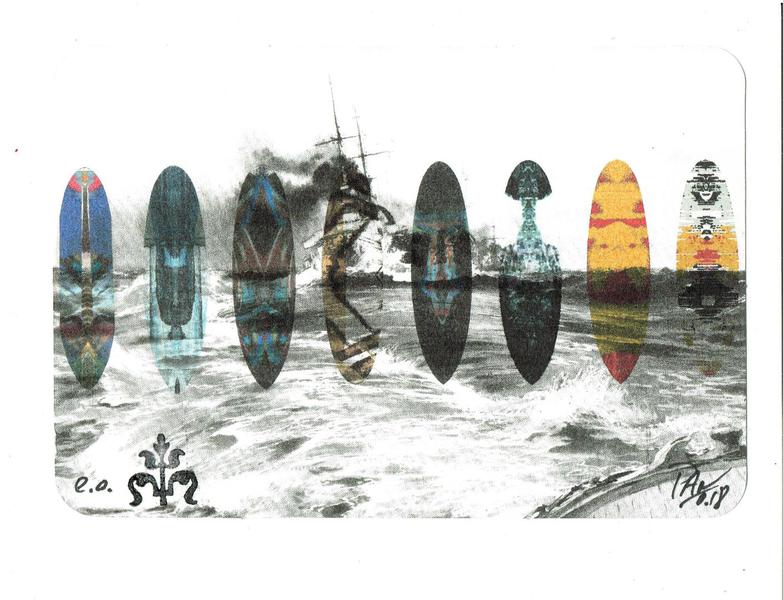
Maritime Popart is a symbiosis of artistic production in which historical print media (wood engravings, steel engravings and lithographs from 19th century newspapers and books with illustrations whose antiquarian value is very low) with maritime content are used as a basis for printing, painting and drawing to develop new independent works. Current basis of his works are prints on PVC tarpaulins with eyelets, which are to be found rather at building fences of large building sites. However, he has them printed in small print runs of 5 pieces/motif/120x80, in order to subsequently make colour-graphic individualisations. The result is current, cheeky, colorful and pop works not only for the wall, but also for exterior surfaces.
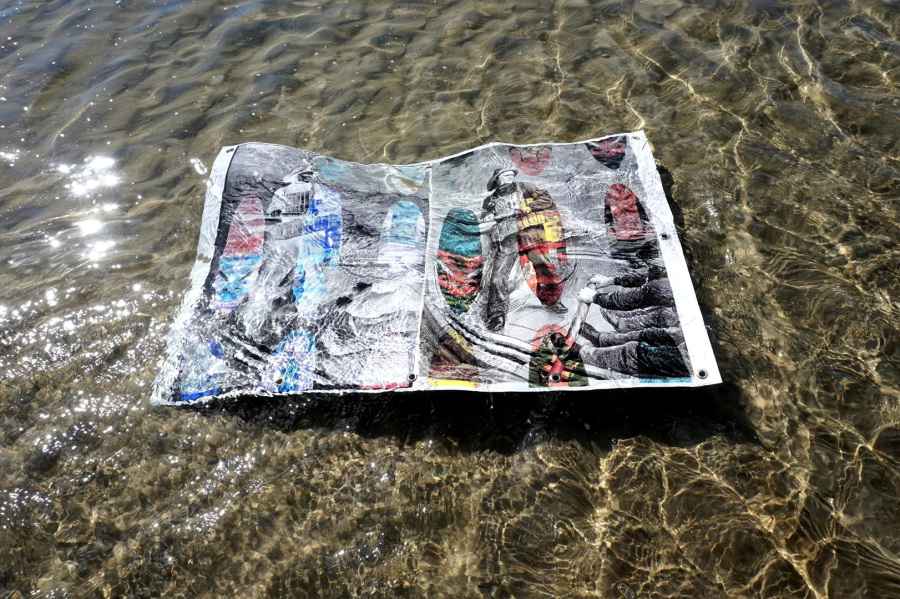
Maritime Popart est une symbiose de la production artistique dans laquelle des supports imprimés historiques (gravures sur bois, gravures sur acier et lithographies de journaux du XIXe siècle et livres avec illustrations dont la valeur antiquaire est très faible) à contenu maritime servent de base à l'impression, la peinture et le dessin pour développer de nouvelles œuvres indépendantes. La base actuelle de ses travaux sont des impressions sur des bâches en PVC avec oeillets, qui se trouvent plutôt à la construction de clôtures de grands chantiers de construction. Cependant, il les fait imprimer en petits tirages de 5 pièces/motif/120x80, afin d'effectuer ensuite des individualisations colorimétriques. Il en résulte des œuvres actuelles, impertinentes, colorées et pop, non seulement pour le mur, mais aussi pour les surfaces extérieures.
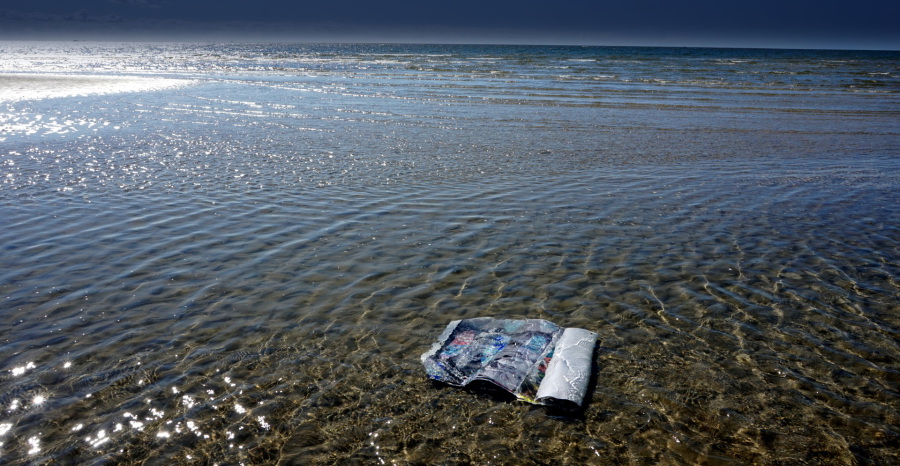
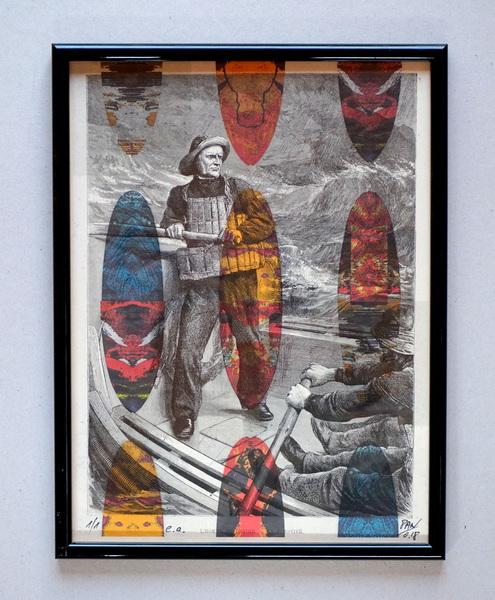
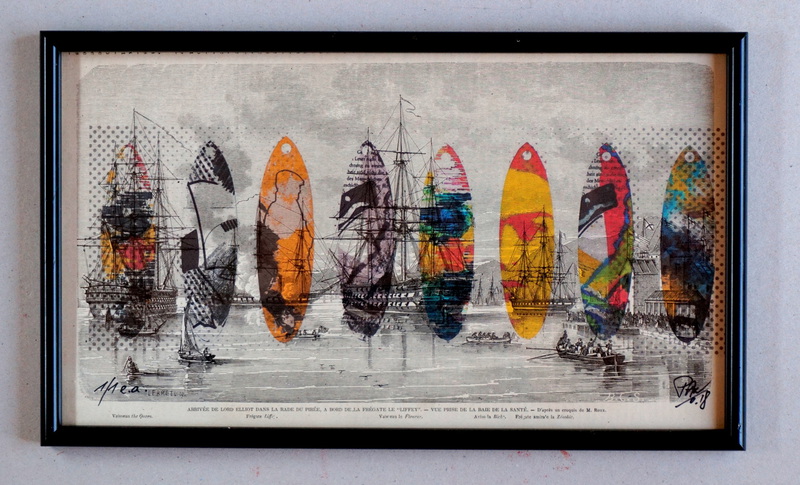
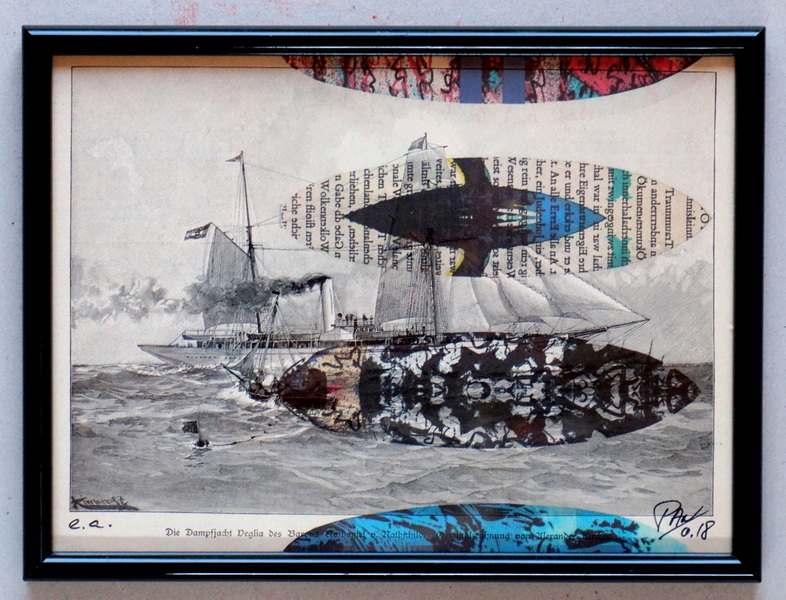
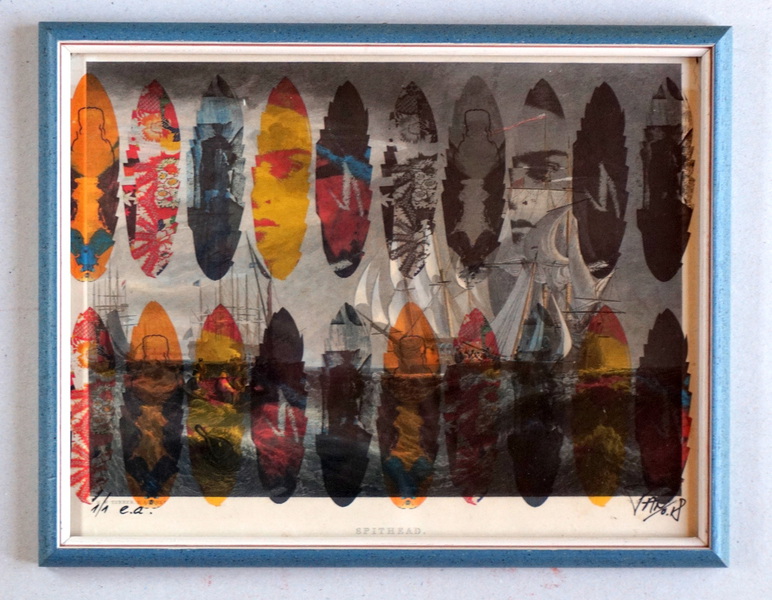
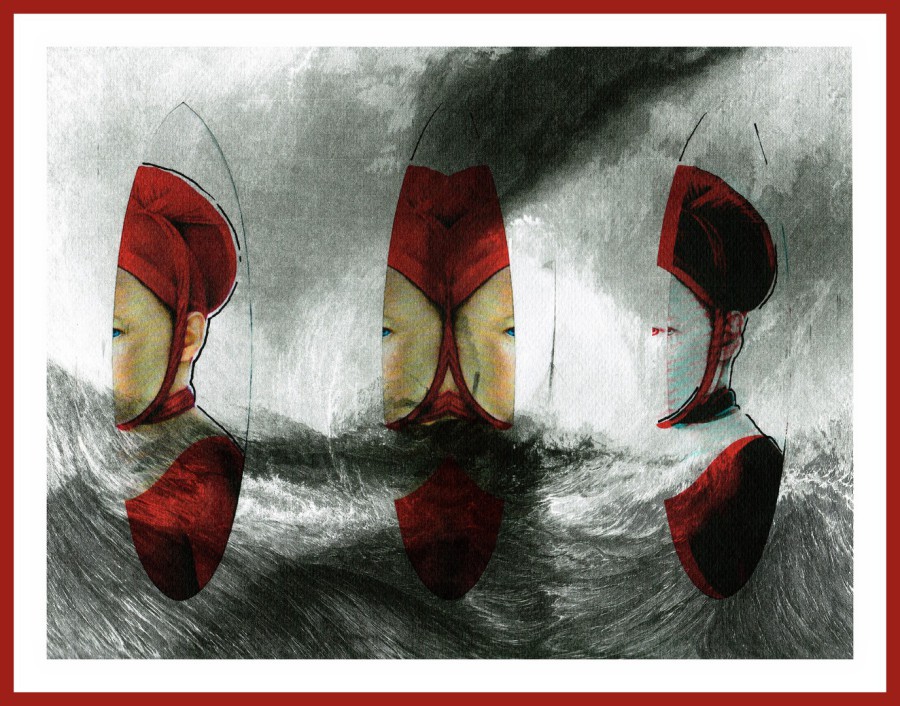
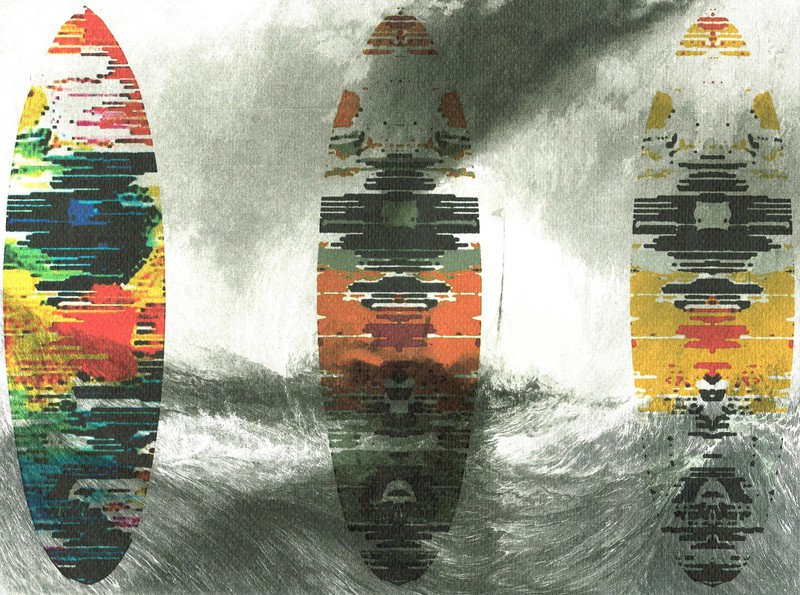
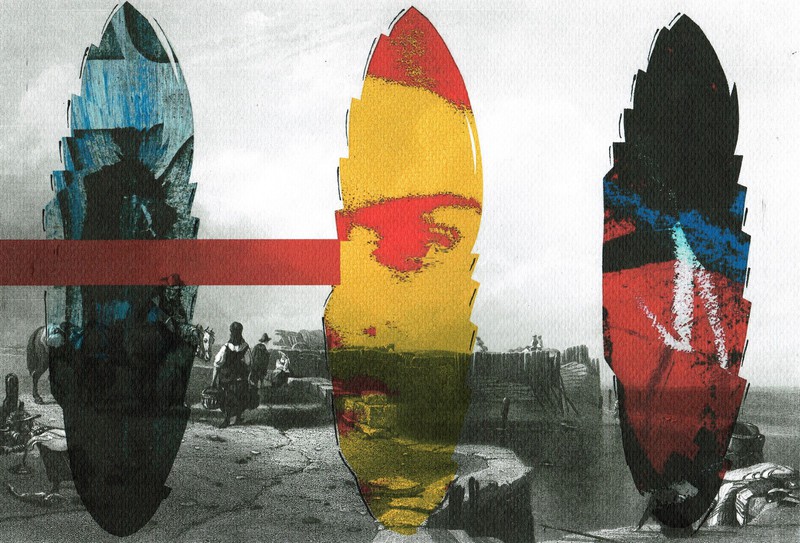
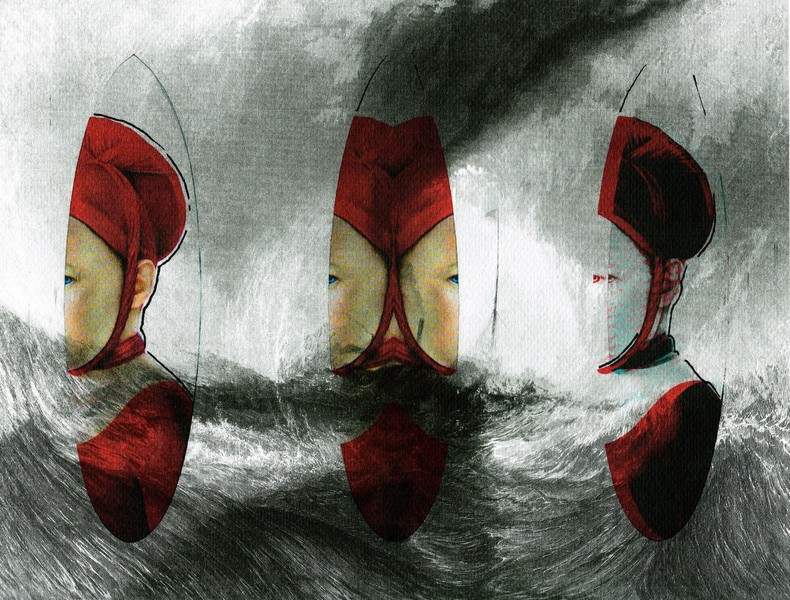
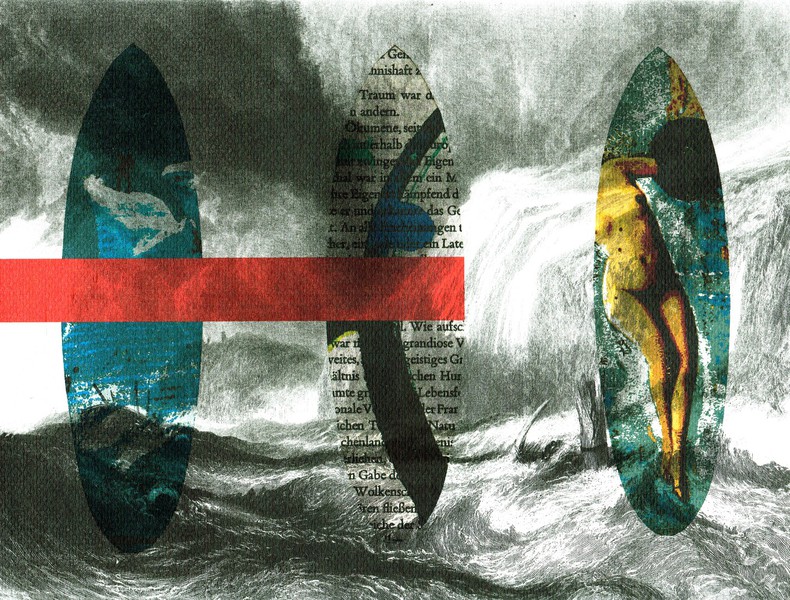
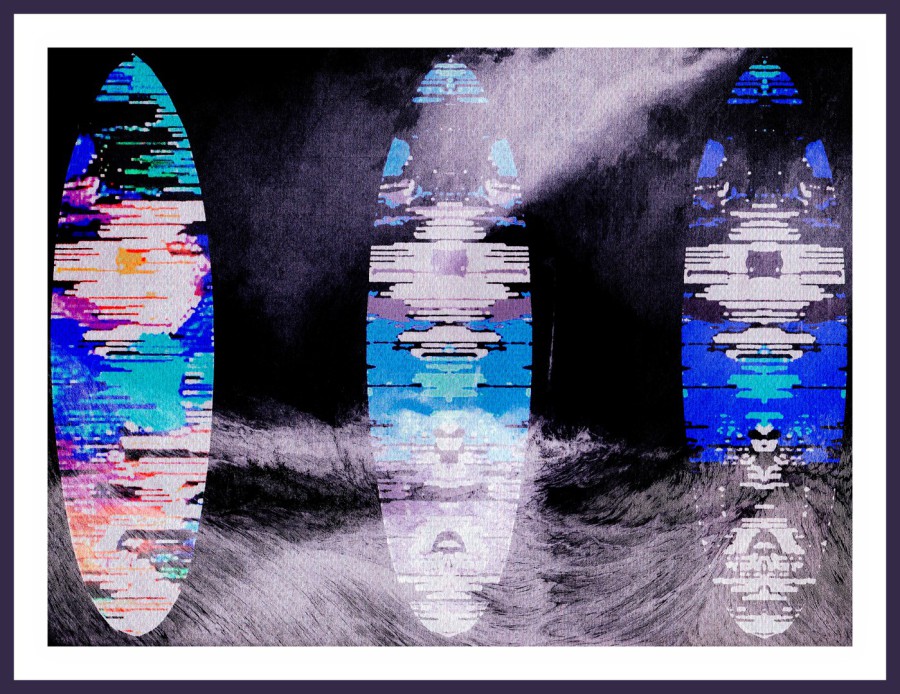
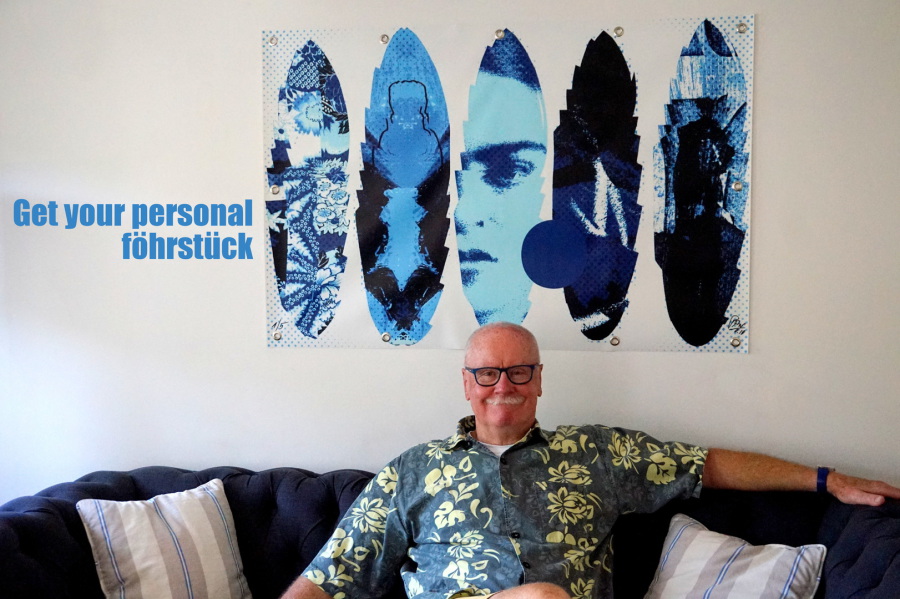
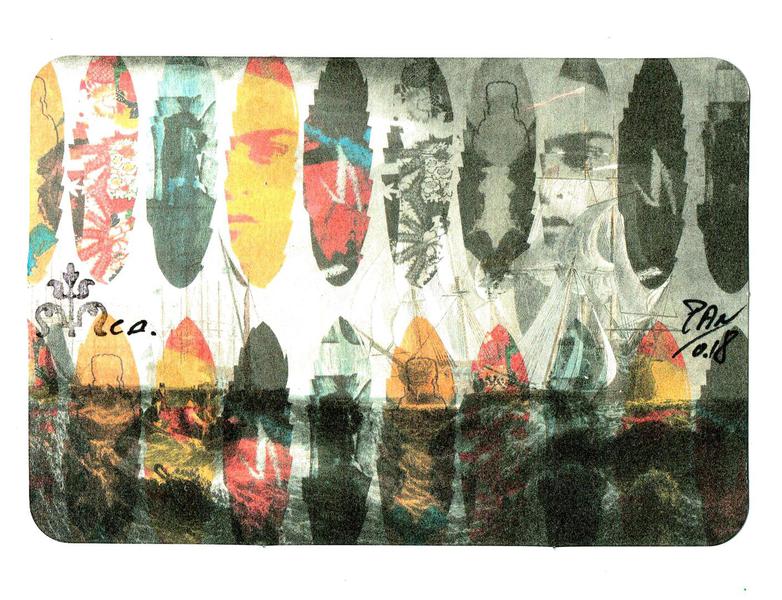
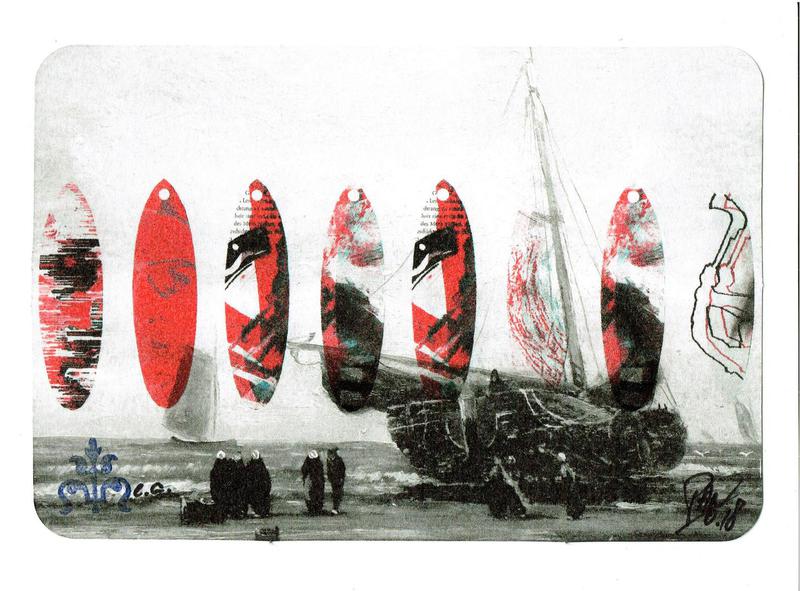
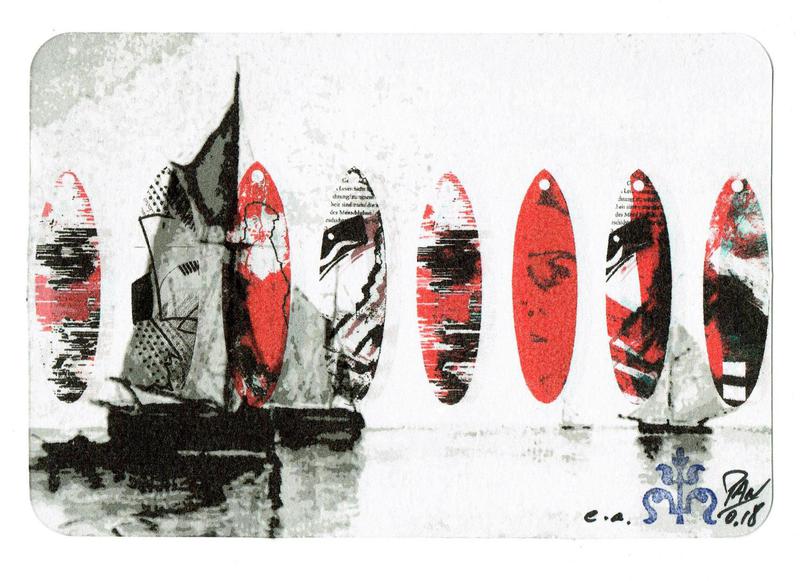
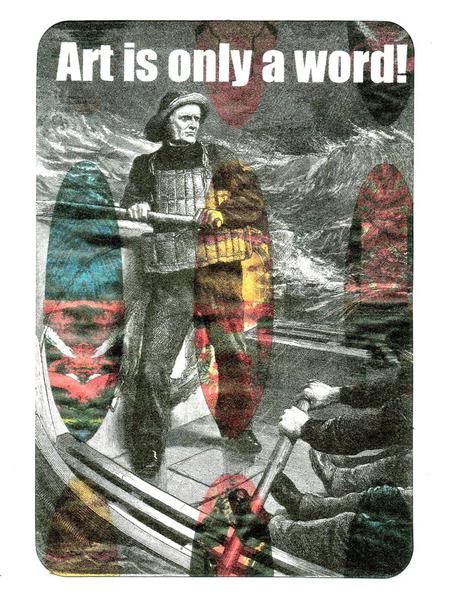
Von den Originalen wurden Scans angefertigt und als Auflagengrafik e.a. 1 -10 prints pro Motiv in 24x32 auf leBloc d´aquarell 200gr/qm säurefrei und alterungsbeständig gedruckt und nachträglich modifiziert, handkolorert, nummeriert und signiert. 40 €/Print. Darüber hinaus werden einige Motive großflächig auf Bauplanen aus PVC gedruckt und zusätzlich farblich und grafisch modifiziert, wie das Foto aus einer Mainzer Werbeagentur zeigt. Preis auf Anfrage!
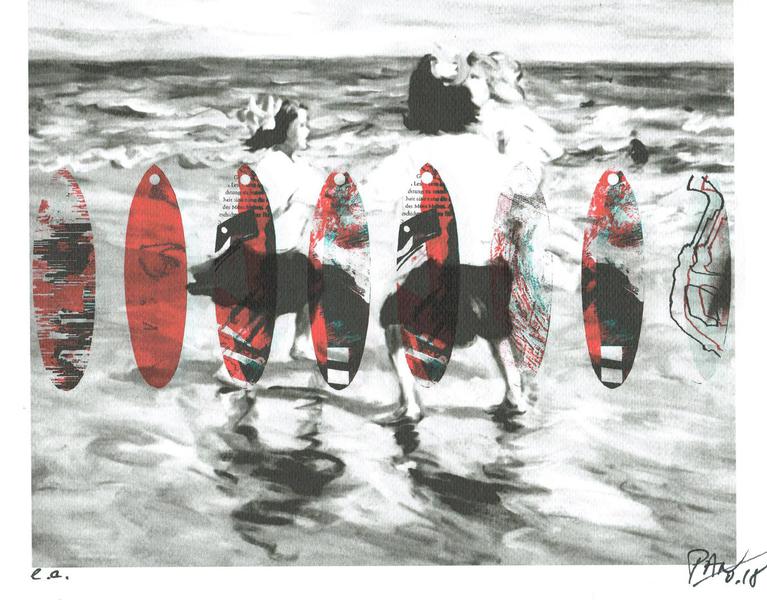
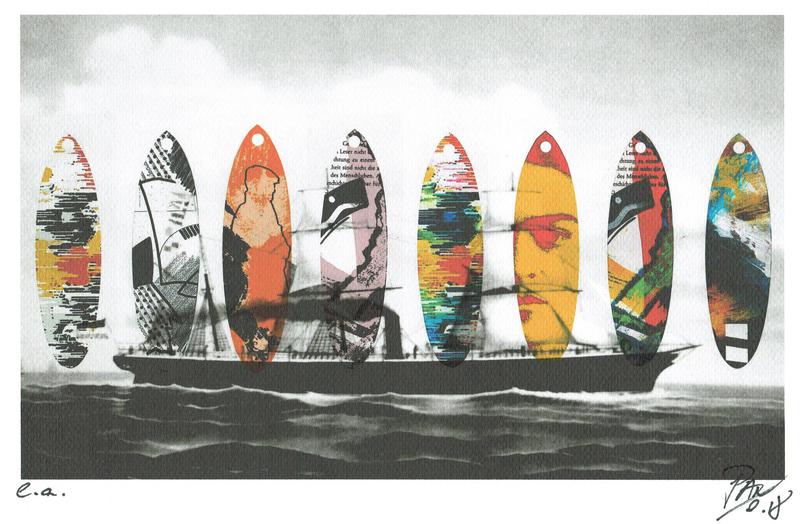

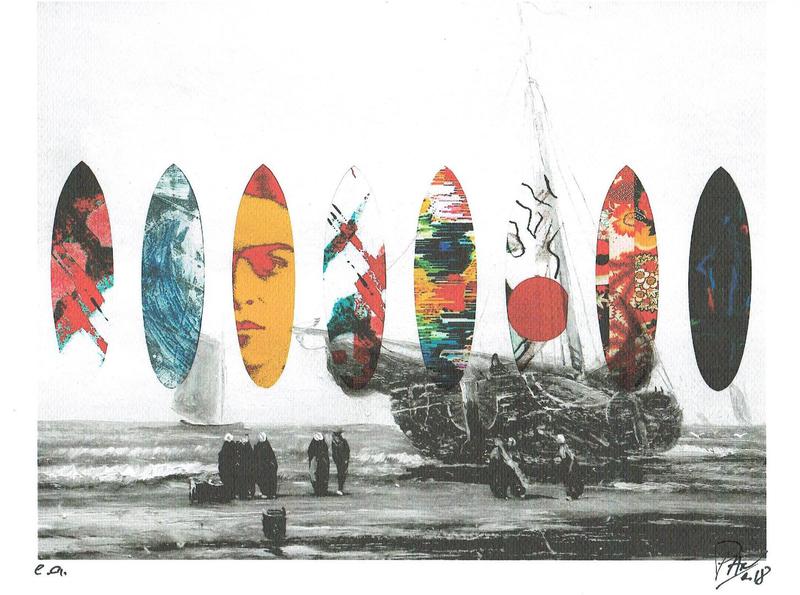
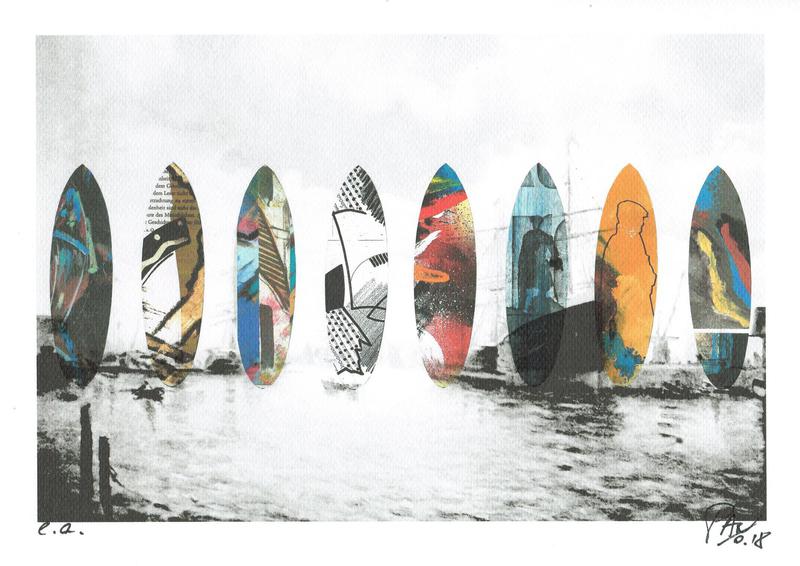
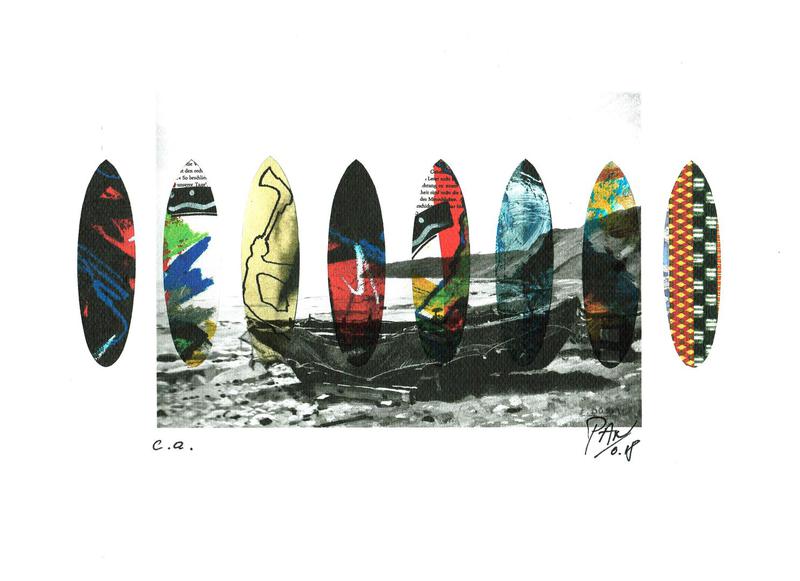
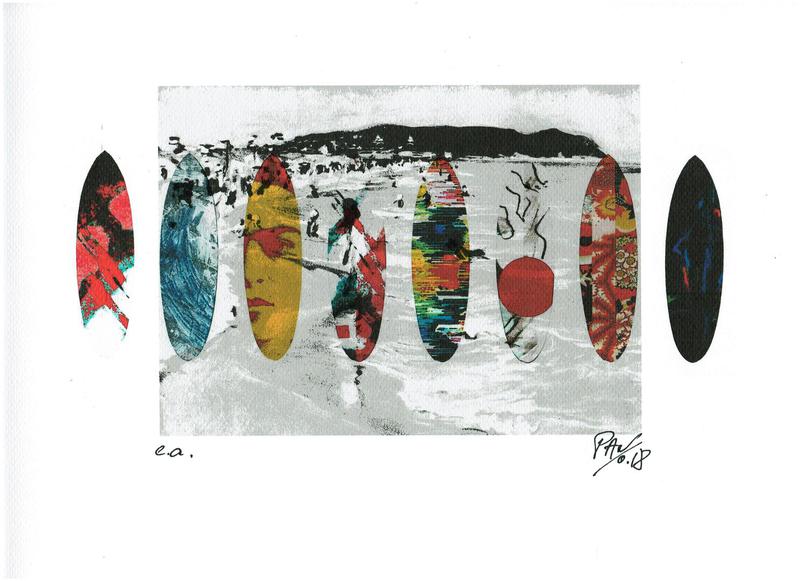
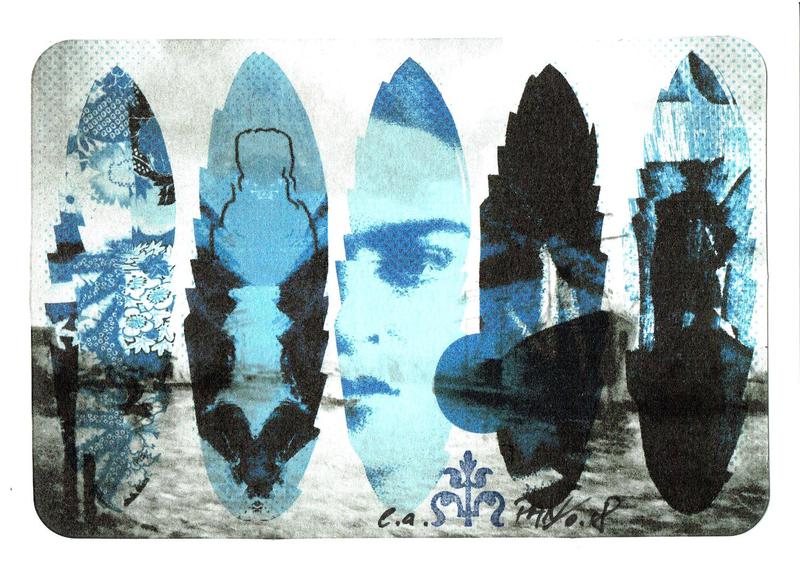
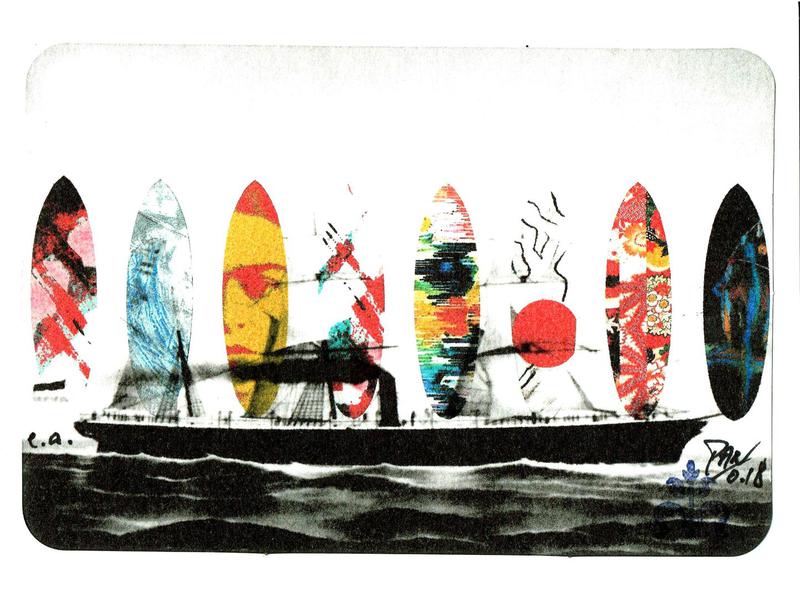
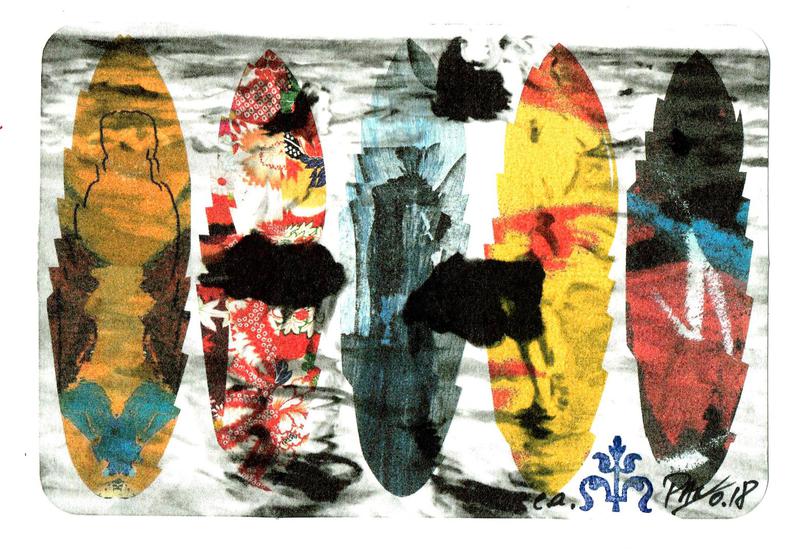
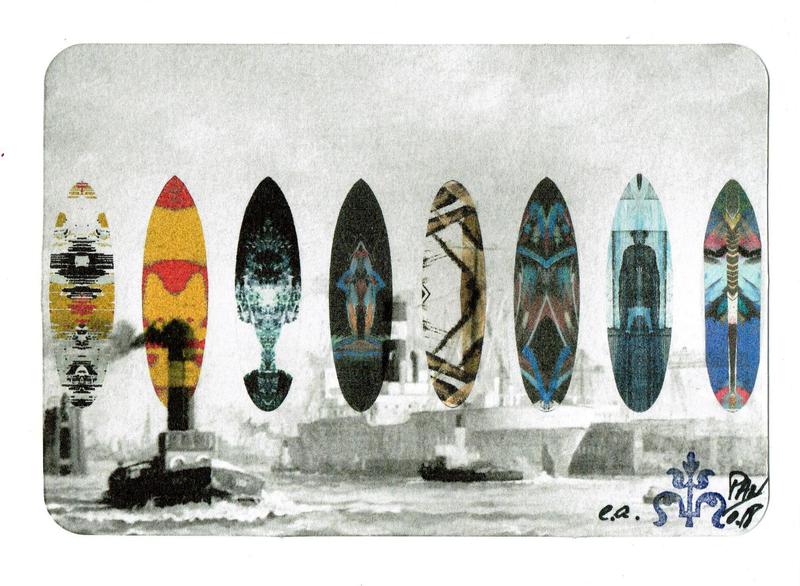
....und Postkarten auf Hahnemühle Fine Art als e.a. prints signiert 7,50 €/Stück
 Druckversion